
Table of Contents
ToggleFuture forecasts tools help businesses and individuals predict trends, outcomes, and market shifts with greater accuracy. These tools analyze historical data, identify patterns, and generate projections that guide smarter decision-making. From financial planning to supply chain management, forecasting software has become essential across industries.
The demand for reliable forecasting solutions continues to grow. Organizations need tools that turn raw data into actionable insights. Whether someone runs a small business or manages enterprise operations, the right future forecasts tools can mean the difference between reacting to change and anticipating it.
Key Takeaways
- Future forecasts tools help businesses predict trends and outcomes by analyzing historical data and identifying patterns.
- Forecasting tools range from statistical models to AI-powered solutions, each suited for different applications like sales, demand, or financial planning.
- Key features to prioritize include data integration, automation, visualization, accuracy tracking, and a user-friendly interface.
- Choose the right forecasting tool by defining clear goals, assessing data quality, and matching software complexity to your team’s technical skills.
- Always test future forecasts tools through free trials and read user reviews before committing to a purchase.
What Are Future Forecasting Tools?
Future forecasting tools are software applications that use data analysis to predict future events, trends, or outcomes. They process historical information, apply statistical models, and generate forecasts that users can act on. These tools serve a wide range of purposes, from predicting sales figures to estimating weather patterns.
At their core, forecasting tools rely on algorithms. Some use simple moving averages. Others apply machine learning models that adapt as new data arrives. The sophistication varies, but the goal remains consistent: reduce uncertainty about what comes next.
Businesses use future forecasts tools to plan inventory, allocate budgets, and set realistic targets. Financial analysts rely on them to project market movements. Healthcare organizations apply forecasting to predict patient admissions and resource needs. The applications span virtually every sector.
Modern forecasting software often integrates with existing business systems. This allows users to pull data directly from CRMs, ERPs, and databases without manual entry. The result is faster, more accurate predictions based on real-time information.
Types of Forecasting Tools and Their Applications
Different forecasting needs call for different tools. Here’s a breakdown of the main categories:
Statistical Forecasting Tools
These tools apply mathematical models to historical data. They work well for time-series analysis, predicting values based on past patterns. Common techniques include exponential smoothing, ARIMA models, and regression analysis. Statistical forecasting tools suit businesses with consistent, structured data sets.
AI and Machine Learning Forecasting Tools
Machine learning-based future forecasts tools go beyond traditional statistics. They identify complex patterns that humans might miss. These tools improve over time as they process more data. Retailers use them to predict customer behavior. Manufacturers apply them to anticipate equipment failures before they happen.
Financial Forecasting Software
Financial teams use specialized tools to project revenue, expenses, and cash flow. These applications often include scenario planning features. Users can model best-case, worst-case, and most-likely outcomes. This helps organizations prepare for multiple possibilities.
Demand Forecasting Tools
Supply chain managers depend on demand forecasting to optimize inventory levels. These tools analyze sales history, seasonal trends, and external factors like promotions or economic indicators. Accurate demand forecasts prevent stockouts and reduce excess inventory costs.
Weather and Climate Forecasting Systems
While specialized, these tools affect many industries. Agriculture, logistics, and energy sectors rely on weather predictions to plan operations. Future forecasts tools in this category process satellite data, atmospheric readings, and historical weather patterns.
Key Features to Look for in Forecasting Software
Not all future forecasts tools deliver equal value. Certain features separate effective solutions from basic ones.
Data Integration Capabilities
The best forecasting tools connect with multiple data sources. They should pull information from spreadsheets, databases, cloud platforms, and third-party applications. Manual data entry introduces errors and delays. Seamless integration eliminates both problems.
Automation and Scheduling
Top-tier forecasting software runs predictions automatically. Users set schedules, and the tool generates updated forecasts without intervention. This keeps projections current and saves significant time.
Visualization and Reporting
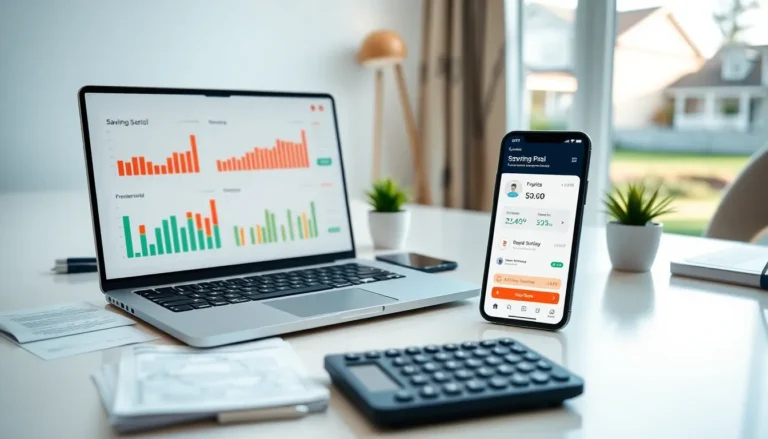
Numbers alone don’t tell the full story. Quality future forecasts tools present data through charts, graphs, and dashboards. Visual reports make it easier to spot trends and communicate findings to stakeholders who may not have technical backgrounds.
Accuracy Metrics
Reliable forecasting tools track their own performance. They measure forecast accuracy over time and highlight where predictions missed the mark. This transparency helps users understand model limitations and make adjustments.
Scalability
Forecasting needs grow as businesses expand. The right tool handles increasing data volumes without performance issues. Cloud-based solutions typically offer better scalability than on-premise alternatives.
User-Friendly Interface
Advanced algorithms mean nothing if users struggle to operate the software. Intuitive interfaces reduce training time and increase adoption rates across teams.
How to Choose the Right Forecasting Tool for Your Needs
Selecting future forecasts tools requires a clear understanding of specific requirements. Here’s how to approach the decision:
Define Your Forecasting Goals
Start by identifying what predictions matter most. Sales forecasting differs from workforce planning, which differs from financial projections. The clearer the goals, the easier it becomes to evaluate options.
Assess Your Data Quality
Forecasting tools depend on data. Poor data produces poor predictions. Before investing in software, evaluate existing data sources. Consider whether they’re complete, accurate, and accessible. Some tools include data cleaning features, these can save considerable effort.
Consider Technical Resources
Some future forecasts tools require data science expertise. Others target business users with no coding background. Match the tool’s complexity to available skills. An overly sophisticated platform that no one can operate provides zero value.
Evaluate Total Cost
Software pricing varies widely. Some tools charge per user. Others base fees on data volume or feature tiers. Factor in implementation costs, training expenses, and ongoing maintenance. A lower upfront price sometimes leads to higher total costs.
Request Demonstrations and Trials
Most vendors offer free trials or live demonstrations. Use these opportunities to test the software with real scenarios. Pay attention to how the tool handles actual data and whether the interface feels intuitive.
Read User Reviews
Existing customers provide valuable insights. Look for reviews from organizations similar in size and industry. Common complaints often reveal genuine limitations that marketing materials won’t mention.